November 13, 2026
The kitchen serves as the functional and social epicenter of the modern home. From morning coffee rituals to festive holiday meal preparation and informal evening conversations around an island, kitchen work surfaces experience continuous, rigorous interaction. Among all the design decisions in a remodeling project or custom build, selecting the right countertop material is arguably the most consequential choice you will make.
This surface establishes the room's visual atmosphere while governing maintenance demands, thermal resilience, moisture resistance, and long-term property value. With an extensive selection of natural stones, engineered surfaces, and specialized industrial composites on the market today, identifying the right balance requires evaluating how distinct materials handle daily household habits, culinary routines, and aesthetic goals. Different families require varied functional profiles: busy households often prioritize effortless cleaning and stain resistance, while dedicated bakers frequently seek the cool tactile qualities of natural stone. Navigating these options successfully requires balancing physical durability, maintenance commitment, design preferences, and lifecycle return on investment.
Assessing Lifestyle Needs and Daily Workflows
Before committing to a particular color scheme or slab, homeowners must examine their actual household routines, since countertops function as primary culinary workbenches before decorative accents. Key questions clarify these daily needs: how frequently you cook from scratch, how you manage acidic ingredients like vinegar or citrus, whether you use trivets for hot cookware, and whether you are willing to maintain stone with periodic sealants. Understanding these operational requirements prevents costly mismatched expectations later on.
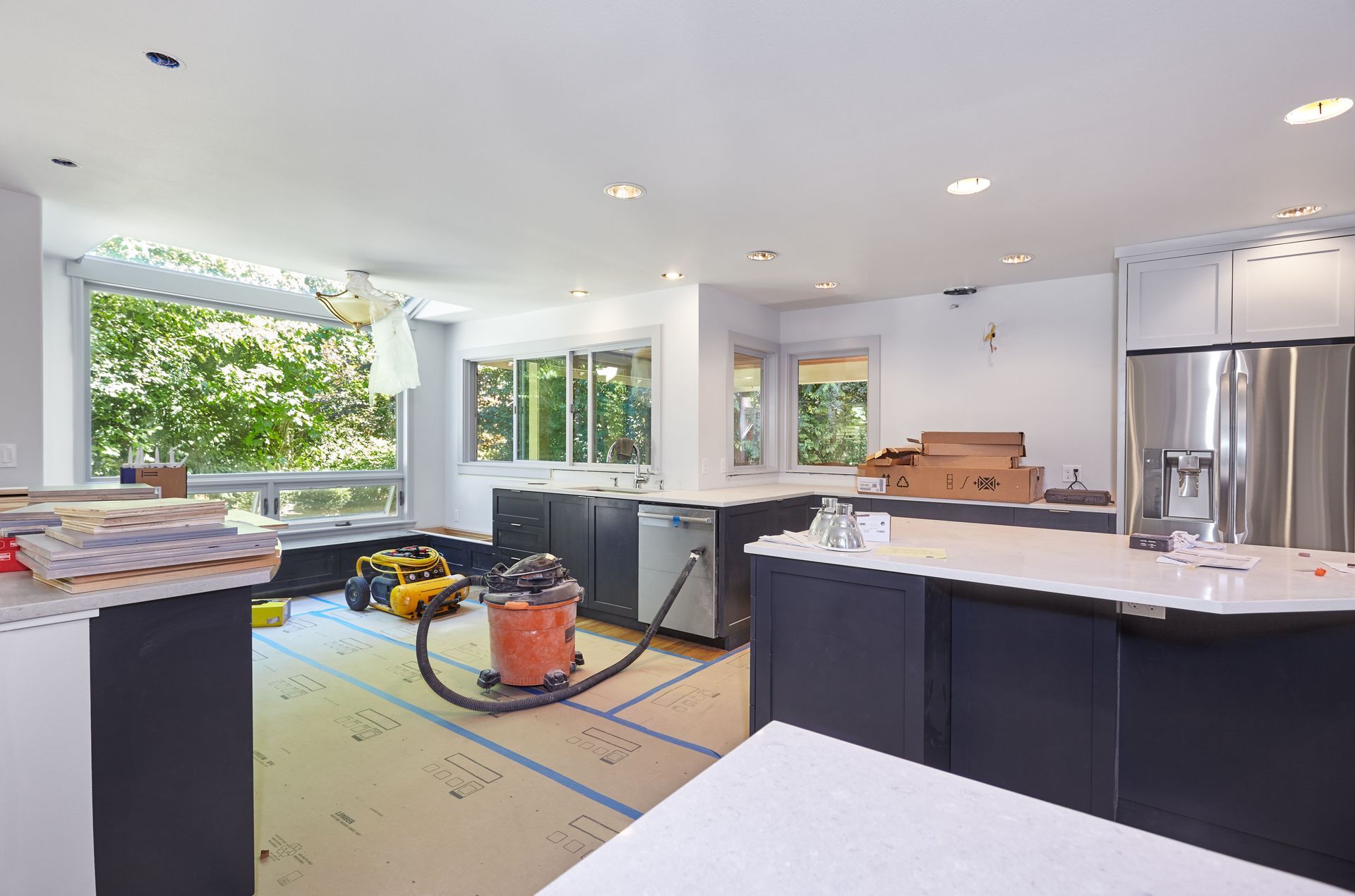
Budgeting must also account for material extraction, precision edge profiling, seam planning, and expert installation. For homeowners drawn to natural stone surfaces, consulting experienced fabricators for marble countertop services provides accurate square-footage takeoffs, minimizes slab waste, ensures optimal veining flow across seams, and establishes reliable long-term performance expectations from day one.
Evaluating the Leading Countertop Materials
Every countertop material possesses a distinct balance of structural composition, aesthetic character, and care requirements that suit specific kitchen environments.
Natural marble has long served as a classic architectural standard, celebrated for its delicate veining, luminous mineral depth, and refined look. Composed predominantly of calcium carbonate formed through geological recrystallization, marble stays naturally cool to the touch, making it an exceptional surface for kneading pastry dough and rolling delicate crusts. Because it is softer and more porous than granite, acidic foods can etch its finish if spills linger; however, with regular sealing and proper care, it develops a graceful, historic patina. Partnering with seasoned artisans for marble countertop services ensures access to penetrating sealers, custom edge profiles, and precision leveling that protect the stone's integrity.
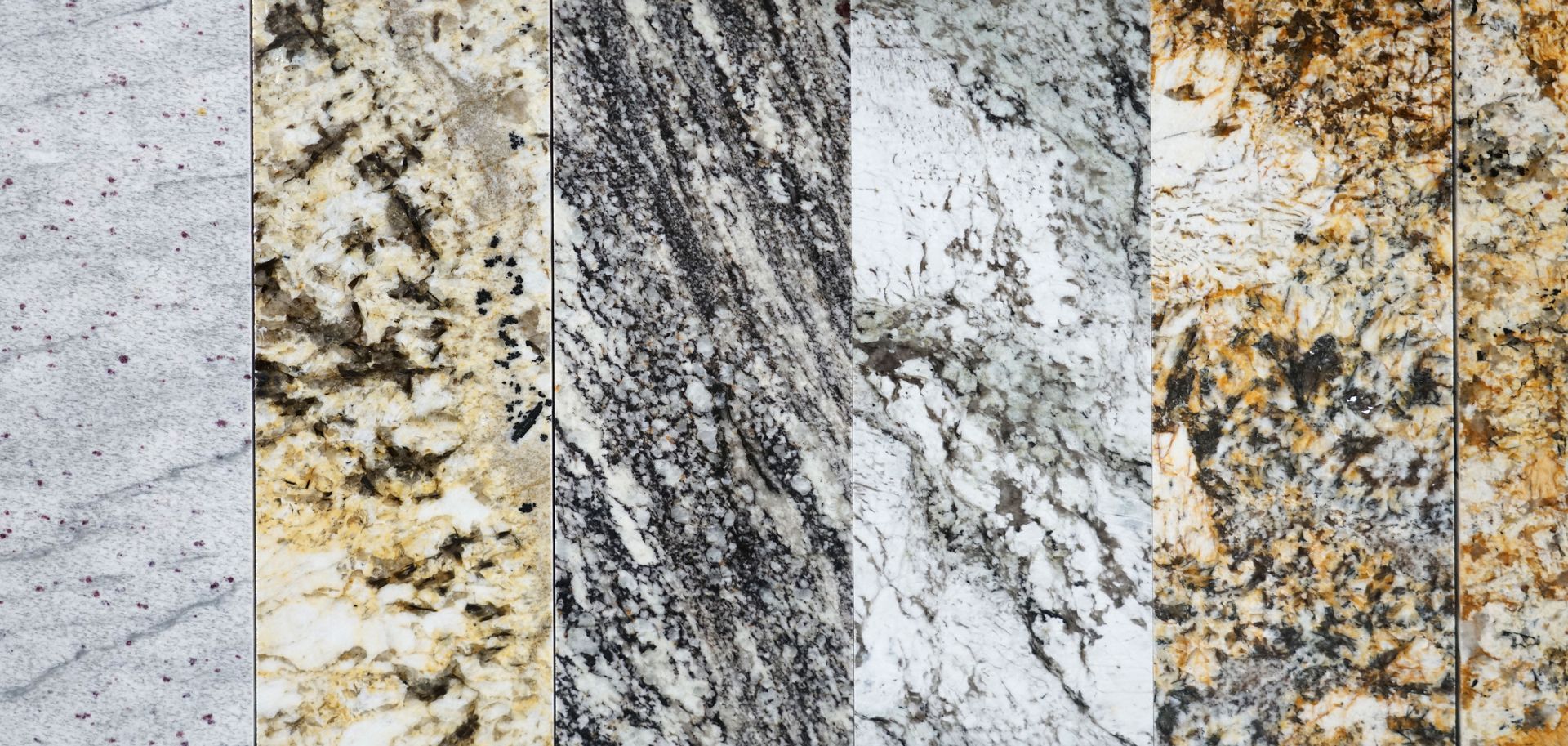
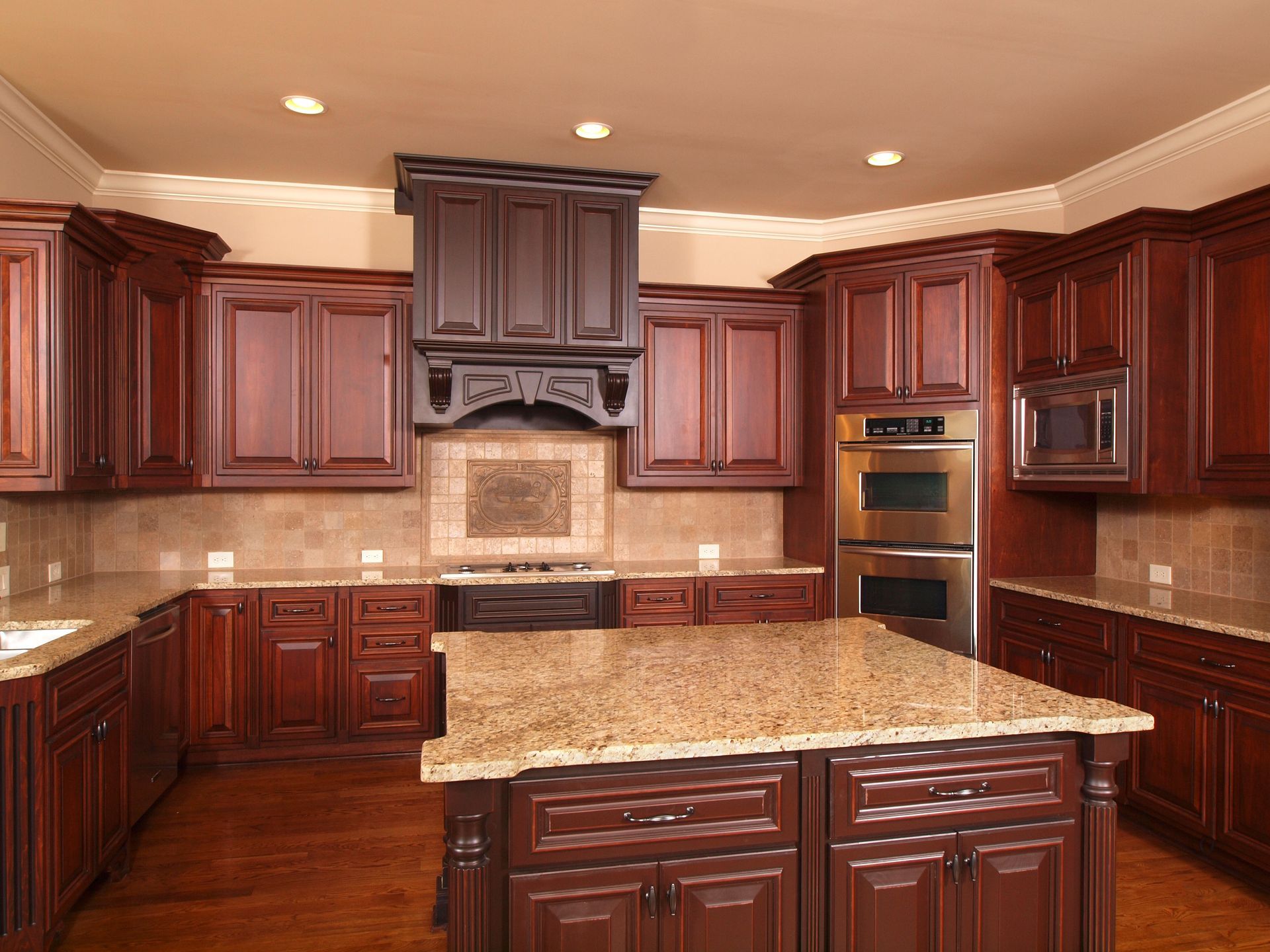
Granite provides an exceptionally tough natural alternative formed from cooled magma, blending quartz, feldspar, and mica into a dense slab that resists scratches, chipping, and extreme skillet heat with simple annual sealing. Engineered quartz offers a modern non-porous alternative by blending roughly 90% crushed quartz crystals with polymer resins, creating a surface impervious to wine or oil stains that never requires sealers, though its internal resins can scorch under hot pans.
Natural quartzite offers a compelling compromise by delivering the sweeping, elegant aesthetic of marble alongside durability comparable to granite. For urban and minimalist interior spaces, poured concrete can be cast into customized forms, while stainless steel provides an antibacterial, completely heatproof surface borrowed straight from commercial restaurant kitchens. According to HomeAdvisor, concrete, marble, and stainless steel countertops can last for at least 50 years with regular and appropriate care. This longevity demonstrates why investing in resilient materials and certified installation yields dependable multi-decade value.
Key Factors: Porosity, Finishes, and Precision Fabrication
Selecting a countertop surface also requires understanding how mineral porosity and surface textures influence day-to-day functionality. Porous natural stones feature microscopic pathways that draw in liquids, creating moisture rings or stubborn grease spots if left unprotected. While non-porous engineered surfaces eliminate fluid absorption, natural stones retain pristine surfaces when homeowners schedule timely marble countertop services to clean, buff, and reseal stone pores.
Surface finishes further define light reflection and stain masking in living spaces. High-gloss polished finishes highlight vein contrast and maximize color saturation, but they reveal micro-scratches under direct task lights. In contrast, matte honed finishes soften glare while disguising minor abrasions, and textured leathered finishes offer a tactile feel that hides fingerprints and smudges effortlessly.
Beyond the slab itself, flawless installation is vital. Specialized fabricators use digital laser templating to match crooked wall frames, embed steel rods into sink cutouts for structural reinforcement, and align veining across seams. Enlisting experienced professionals for marble countertop services guarantees that heavy, fragile natural stone slabs are safely transported, perfectly leveled, and bonded securely over cabinetry.
Sustainable Considerations and Long-Term Value
Countertop selection carries significant environmental and economic implications for homeowners over multi-decade ownership periods. Because kitchen renovations account for a substantial percentage of property improvement budgets, selecting enduring materials that avoid periodic demolition and landfill disposal supports sustainable building practices while maximizing financial returns.
Natural stone surfaces are completely recyclable, emit zero volatile organic compounds, and can be continually renewed rather than replaced. When high-traffic kitchen areas begin to exhibit surface etching, scratch clusters, or dullness after decades of steady use, property owners do not need to undertake disruptive teardowns. Instead, hiring specialists for marble countertop services allows technicians to hone out imperfections, mend fissures, and restore edges to showroom brilliance at a fraction of total replacement costs. Furthermore, quality stone and quartz surfaces consistently boost property resale value, as prospective homebuyers recognize them as permanent structural enhancements rather than temporary cosmetic upgrades.
Edge Profiles, Overhangs, and Architectural Integration
Beyond selecting the surface material and finish, finalizing the architectural specifications transforms raw stone slabs into fully integrated kitchen fixtures that complement your home's structural framing and cabinetry. The edge treatment you select impacts both room safety and overall aesthetic cohesion. Classic eased or bevel edges deliver clean, modern lines with softened corners that resist accidental chipping from dropped pots, while ornate profiles like ogee, dupont, or bullnose introduce traditional elegance into formal spaces. In contemporary open-concept layouts, mitered waterfall edges—where the countertop slab cascades vertically down the outer cabinet gable to meet the flooring—require millimeter-precision cutting and vein-matching to create the appearance of a monolithic stone block.
Cantilevered island overhangs designed for casual bar seating introduce substantial mechanical torque against base cabinetry, demanding concealed structural steel support plates when spans exceed ten inches. Coordinating these structural nuances with skilled craftsmen who provide specialized marble countertop services guarantees that sink cutouts are anchored securely, overhangs withstand live weight loads safely, and adjacent full-height stone backsplashes align without unsightly grout gaps.
Making Your Final Kitchen Countertop Decision
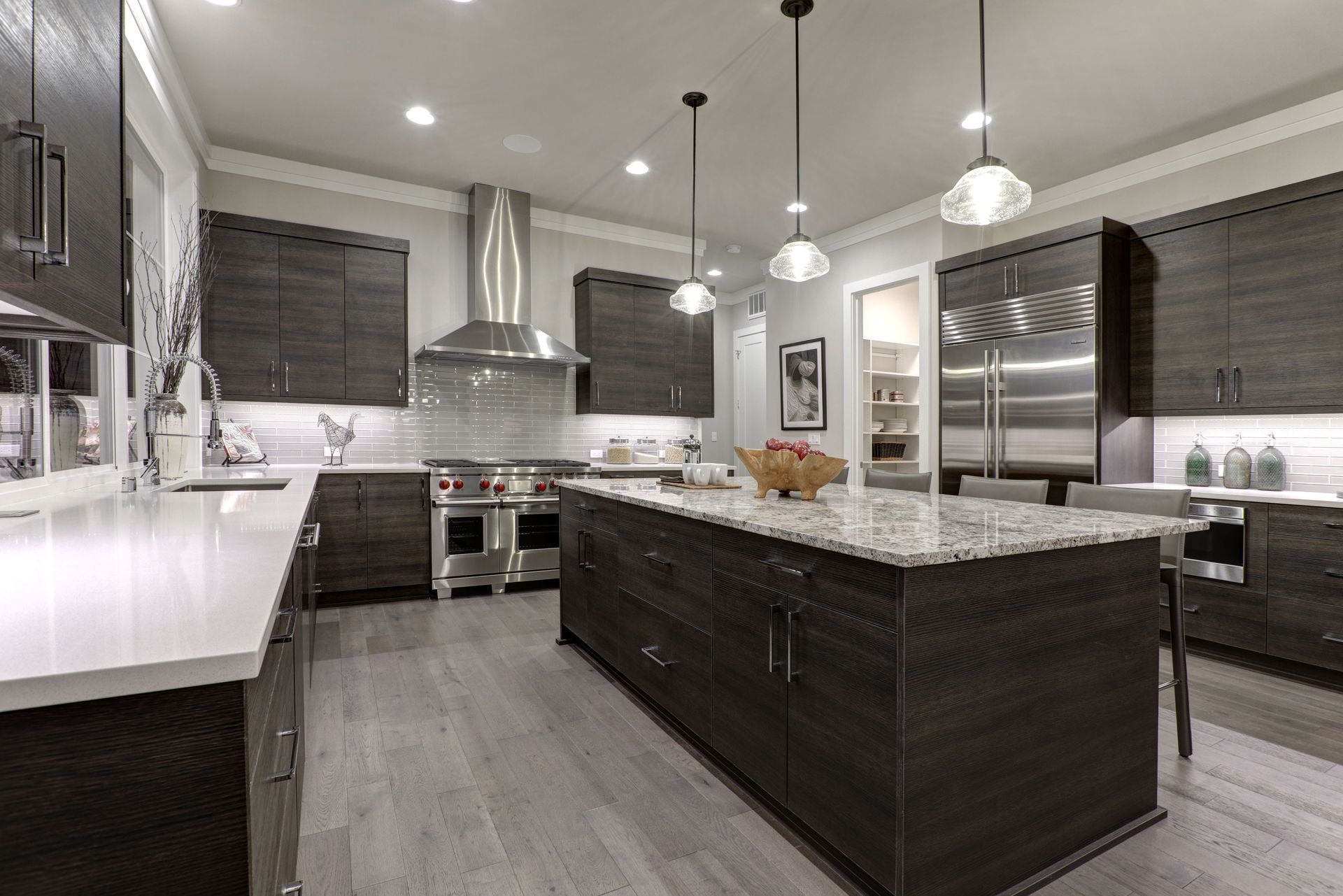
Selecting the right countertop material ultimately balances personal design preferences with practical daily demands. If your routine demands zero-maintenance convenience and uniform color palettes, engineered quartz delivers dependable everyday performance. If your cooking methods involve high temperatures and heavy cast-iron cookware, granite and quartzite provide exceptional scratch and heat resilience.
For homeowners who prioritize timeless architectural luxury, organic movement, and a material steeped in classical history, natural marble remains unmatched in beauty and distinction. Committing to thoughtful daily habits, proper cutting boards, and specialized marble countertop services ensures that your kitchen surfaces will remain stunning, functional, and structurally sound for generations of meals to come. To turn your kitchen design vision into reality with expert stone fabrication and precision installation, contact Marble & Granite Masters, Inc today.